When documents are executed in the UK for use in New York, a Certificate of Conformity under Real Property Law 301-a may be required. How it works and who can issue one.
Browsing CategoryArticle
Heads of Terms and Letters of Intent: Are They Legally Binding?
Heads of terms are usually not binding on the commercial terms — but some clauses are. What they cover, what “subject to contract” does, and how US letters of intent differ.
Delaware C-Corps for UK Founders: What to Know Before Raising US Investment
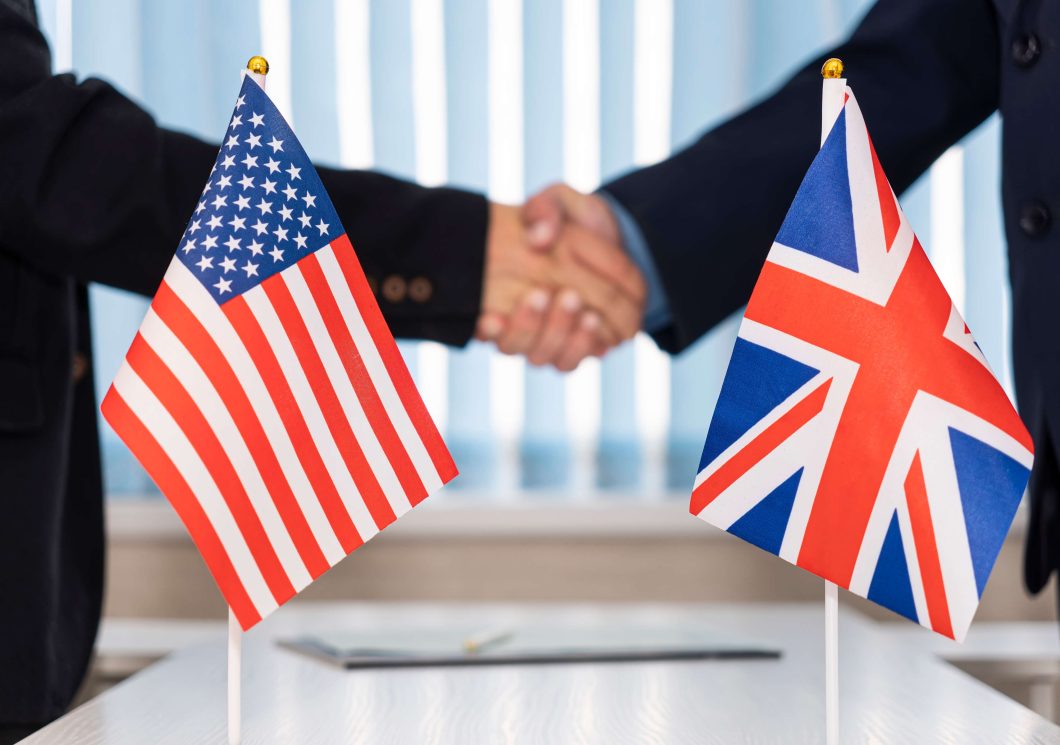
The UK US Trade Deal in Practice: What UK Companies Expanding to America Need to Know About Tariffs, Trade Compliance and Cross-Border Contracts

Under Delaware law, and generally across the US, directors owe two primary fiduciary duties to the corporation and its shareholders: the duty of care and the duty of loyalty. The duty of care requires directors to make informed, deliberate decisions based on all material information reasonably available to them. This means actively participating in board meetings, reviewing corporate documents, and asking critical questions of management
Building a US Board: What UK Companies Need to Know About Corporate Governance

Under Delaware law, and generally across the US, directors owe two primary fiduciary duties to the corporation and its shareholders: the duty of care and the duty of loyalty. The duty of care requires directors to make informed, deliberate decisions based on all material information reasonably available to them. This means actively participating in board meetings, reviewing corporate documents, and asking critical questions of management
Understanding US Employment Law: A Guide for UK Companies Hiring in America

Expanding a UK business into the United States presents a significant opportunity for growth, but it also introduces a new and complex legal landscape, particularly concerning employment.
SAFE Notes vs Convertible Notes: What UK Founders Need to Know About US Fundraising

For UK founders looking to raise capital from US investors, understanding the nuances of early-stage financing instruments is crucial. In recent years,
US Tax Compliance for UK Companies: What You Need to Know Before Expanding

For UK companies venturing into the US market, navigating the complexities of the American tax system is a critical component of a successful expansion. The United States employs a multi-tiered tax structure, with distinct obligations at the federal, state, and sometimes local levels. At the federal level, the primary taxing authority is the Internal Revenue Service (IRS). A UK company operating in the US will typically be subject to federal corporate income tax on its US-sourced income.
Key Contract Terms That Change When Moving from UK to US Law

When UK companies begin to operate in the United States, they often assume that the shared language and legal heritage will translate to similar contractual principles. However, this assumption can be a costly mistake. While both legal systems are rooted in common law, their paths have diverged significantly over the centuries, leading to critical differences in contract law.
Decoding US Venture Capital Term Sheets: A UK Founder’s Guide

For a UK founder, receiving a term sheet from a US venture capital firm is a major milestone, representing a serious expression of interest to invest. However, it is crucial to understand that a term sheet is not a definitive contract but rather a non-binding document that outlines the proposed terms and conditions of the investment. It serves as the blueprint for the definitive legal agreements that will follow.
The Discovery Process in US Litigation: What UK Companies Should Expect

For UK companies accustomed to the more contained and sequential nature of legal proceedings in the English courts, the discovery process in United States litigation can come as a significant shock. It is arguably the most defining feature of the American legal system and represents a fundamental departure from the UK’s concept of “disclosure.”
Protecting Your Brand in America: US Trademark Registration for UK Businesses

For UK companies expanding into the United States, protecting your brand is not just a legal formality; it is a critical business imperative. A strong brand is one of the most valuable assets a company can own, and in the vast and competitive US market, it is essential to take proactive steps to safeguard it.
Navigating US Work Visas: L-1 and E-2 Options for UK Companies

To qualify for an L-1 visa, the employee must have been working for the UK company for at least one continuous year within the preceding three years. The US and UK entities must have a qualifying corporate relationship, such as parent-subsidiary, branch, or affiliate. The L-1 visa is divided into two subcategories: the L-1A for executives and managers, and the L-1B for employees with specialized knowledge.
Delaware Flip vs US Subsidiary vs Branch: A Decision Framework for UK Founders

UK founders expanding into the US are often told to “just set up a Delaware C-Corp,” but that advice is only correct for certain growth paths. In practice, you are choosing between three structurally different approaches:
US Commercial Contracts for UK Companies: 12 Clauses That Don’t Translate From English Law

UK companies entering the US market often rely on familiar contract language, assuming that English legal principles will apply with minor adjustments. This assumption frequently leads to risk because US commercial contracts operate within a very different legal framework. American courts place far greater emphasis on the precise wording of an agreement and are less willing to rely on implied terms or established commercial norms. As a result, clauses that feel routine under English law can behave in unexpected and sometimes costly ways once subject to US state law.